
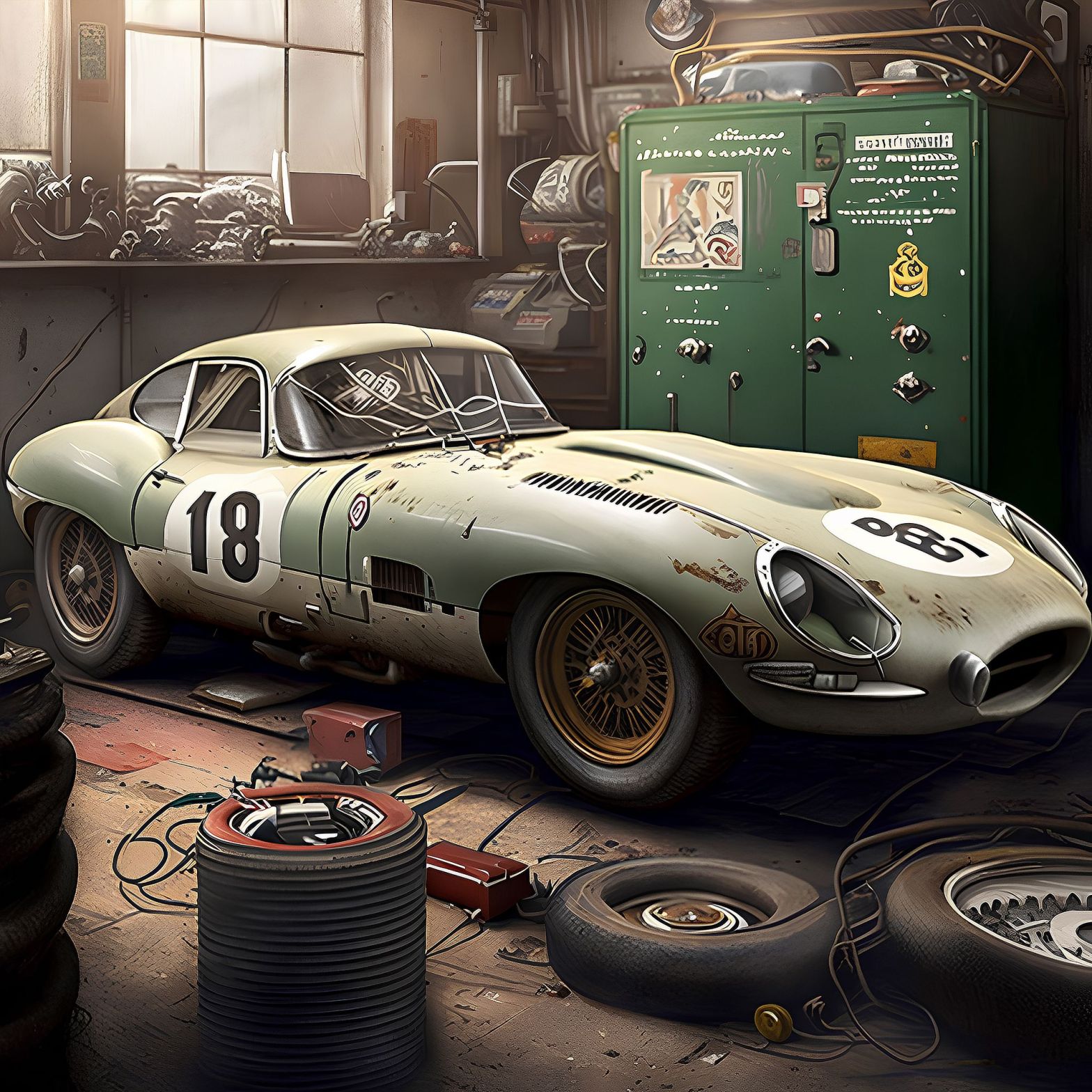
The Jaguar E-Type, or the Jaguar XK-E for the North American market, is a British sports car that was manufactured by Jaguar Cars Ltd between 1961 and 1974. Its combination of aesthetics, high performance, and competitive pricing established the model as an icon of the motoring world.
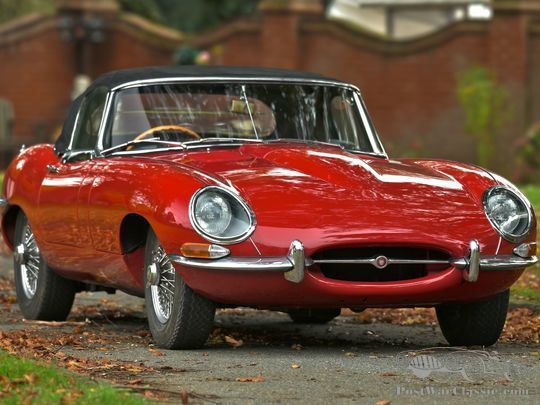
Key features and aspects of the Jaguar E-Type include:
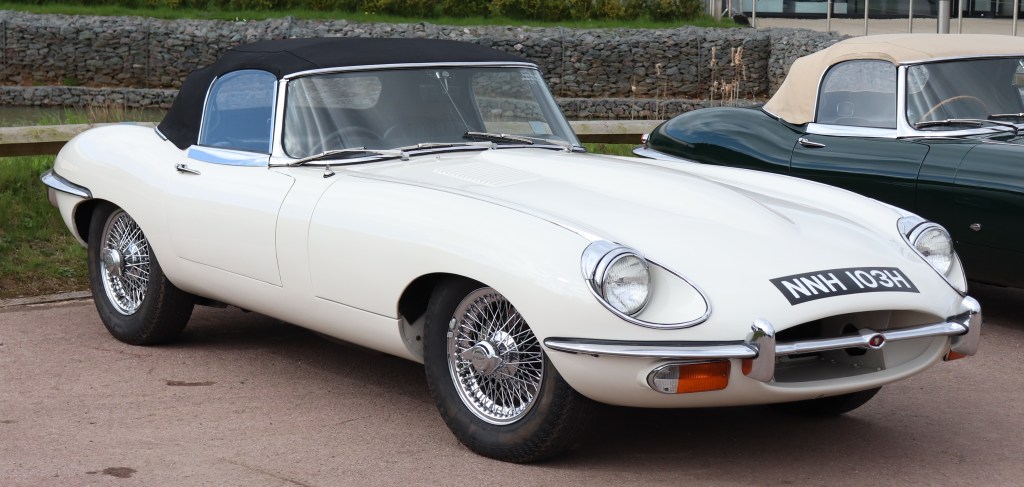
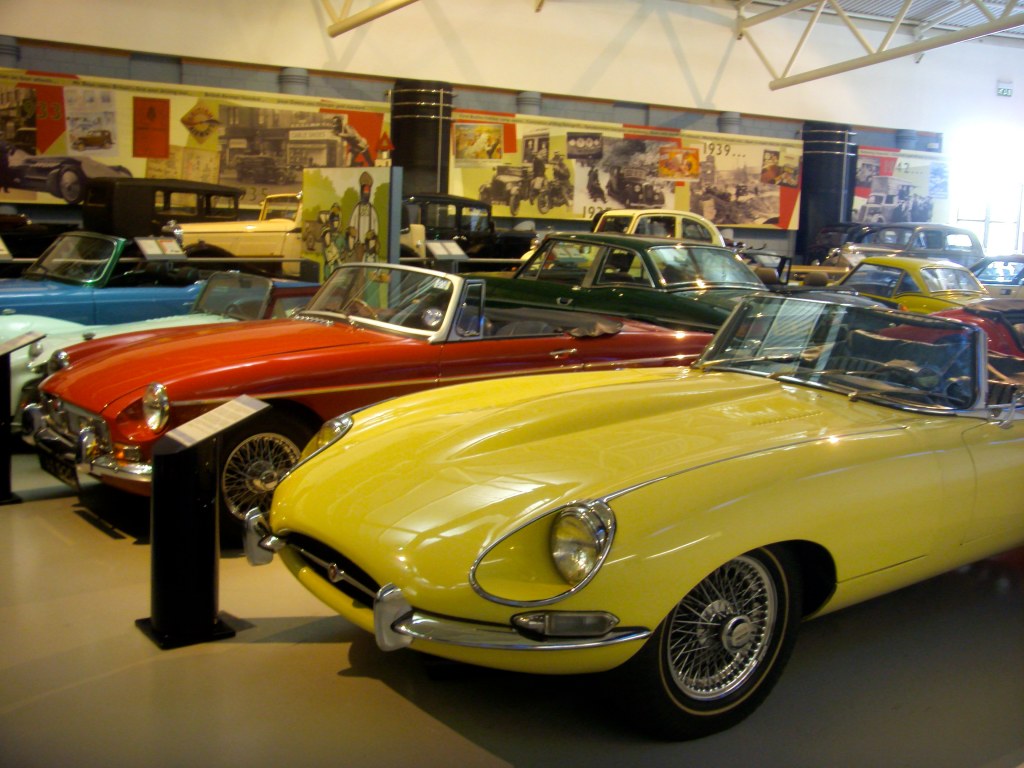
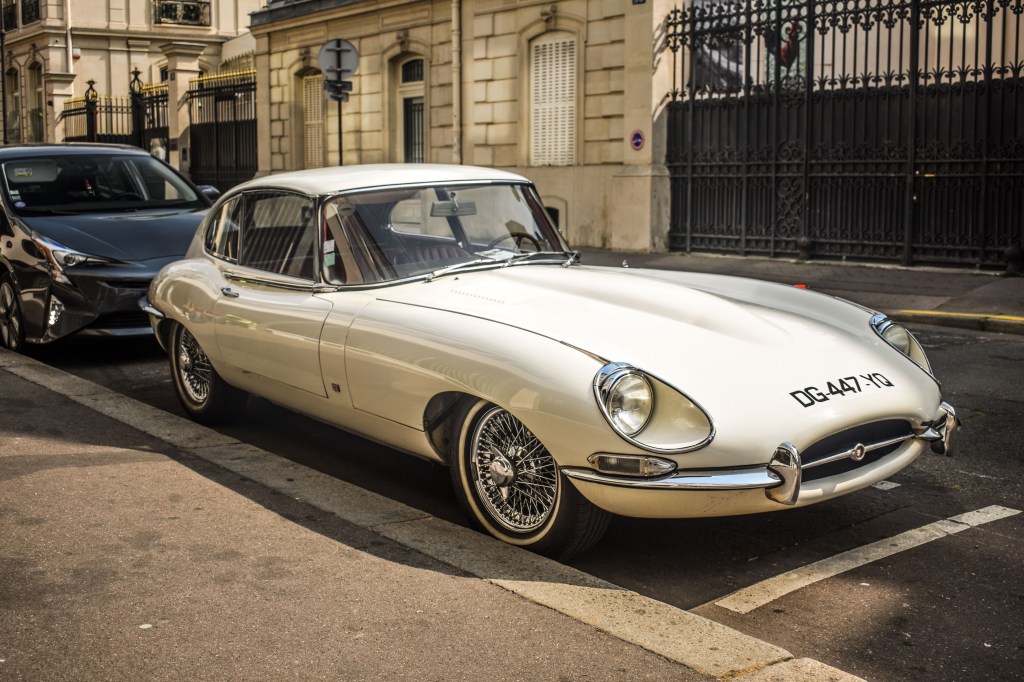
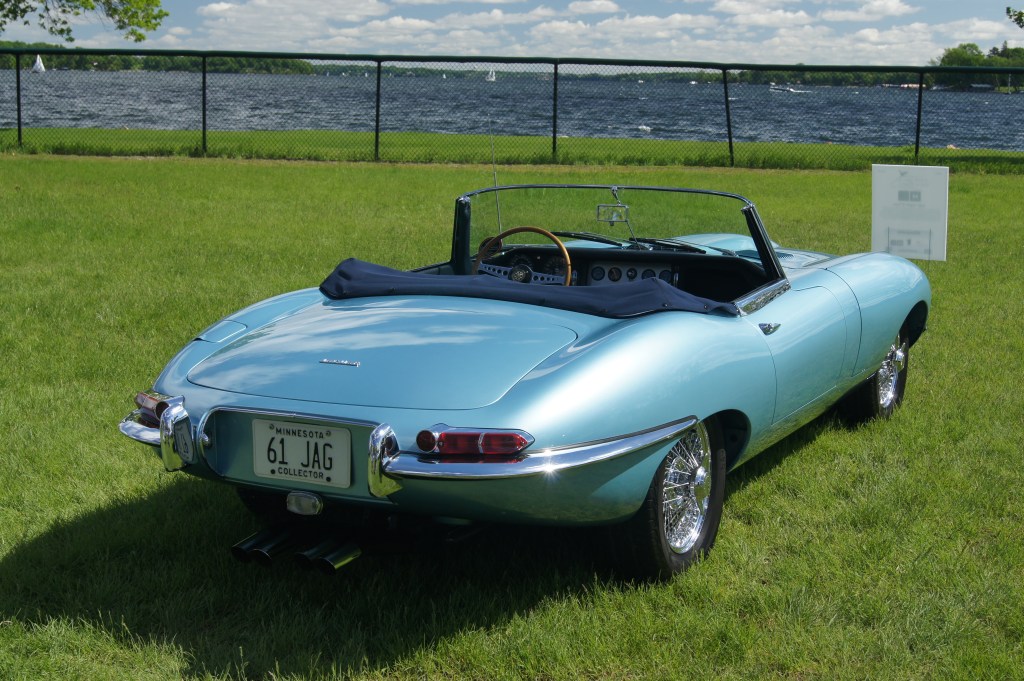
- Design: The E-Type was designed by Malcolm Sayer and embodied a sleek and aerodynamic shape that was revolutionary for its time. Its long hood, curvaceous lines, and distinctive headlight covers contributed to its striking appearance.
- Performance: The E-Type was offered with various engine options, including inline-six engines that provided impressive performance for its era. Its top speed and acceleration were remarkable, which helped solidify its reputation as a high-performance sports car.
- Innovation: The E-Type featured advanced technologies for its time, such as independent rear suspension, four-wheel disc brakes, and monocoque construction. These elements contributed to its exceptional handling and driving experience.
- Variants: The E-Type was available in different body styles, including the open two-seater (roadster) and the fixed-head coupe. Later in its production, a 2+2 coupe version with additional rear seating was introduced to cater to a wider audience.
- Popularity: The E-Type garnered significant attention upon its debut and was admired by enthusiasts, celebrities, and the general public alike. Its combination of performance, design, and luxury made it a desirable car.
- Enduring Legacy: Even after its production ended in 1975, the E-Type’s legacy continued to thrive. It remains a sought-after collector’s item and classic car, with restored and well-preserved examples commanding high prices in the vintage car market.
- Continuation Models: In recent years, Jaguar has produced limited “continuation” models of the E-Type, essentially recreating the iconic design with modern engineering and materials.
- Overall, the Jaguar E-Type is celebrated not only for its mechanical prowess and performance but also for its influence on automotive design and its role in shaping the perception of sports cars. It has left an indelible mark on automotive history and continues to captivate enthusiasts and collectors around the world.
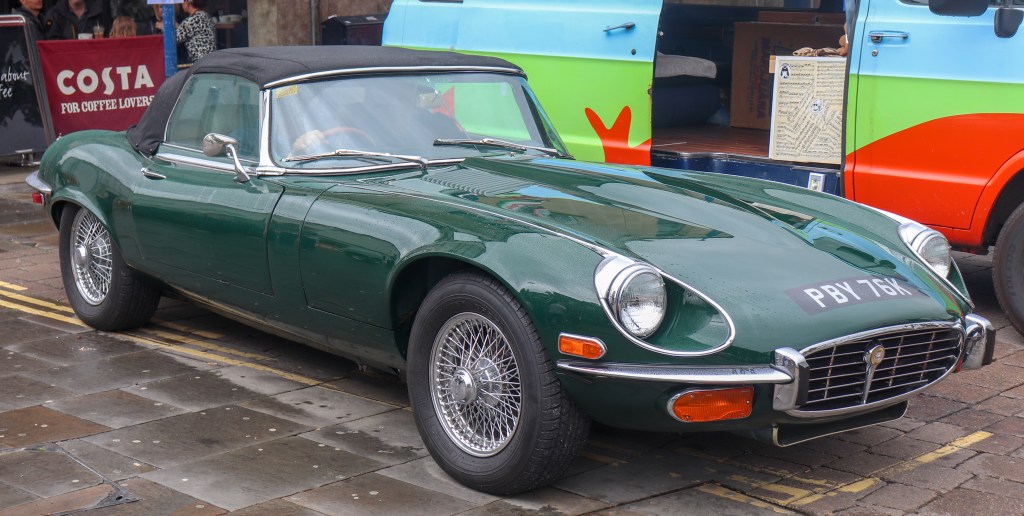
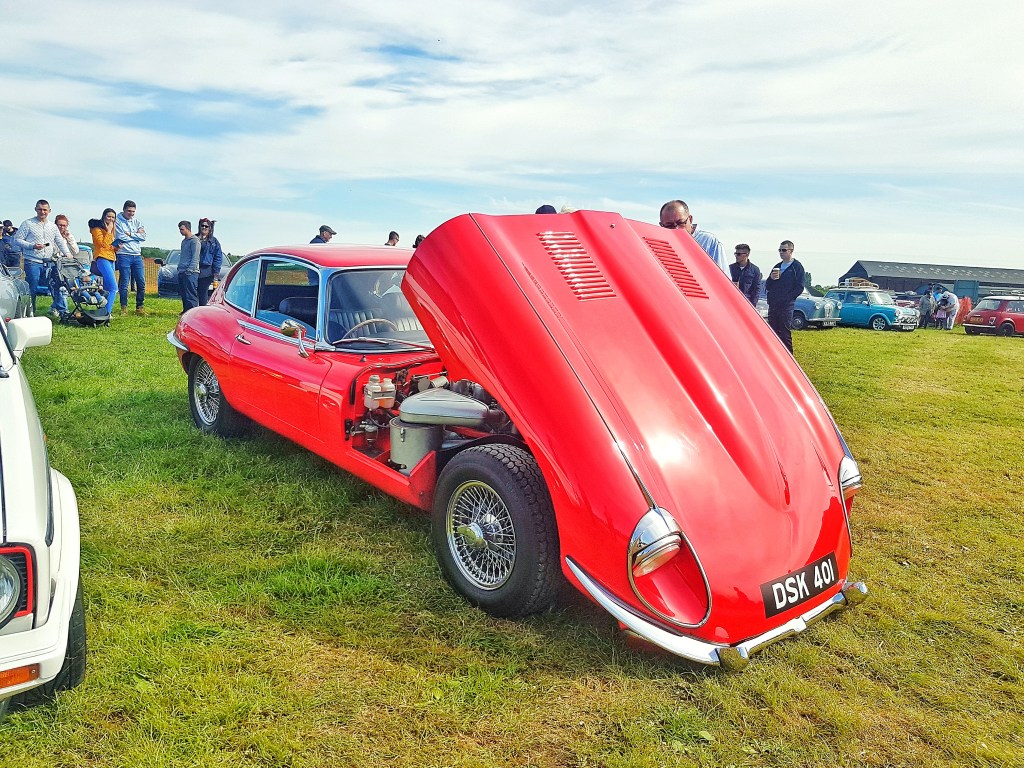
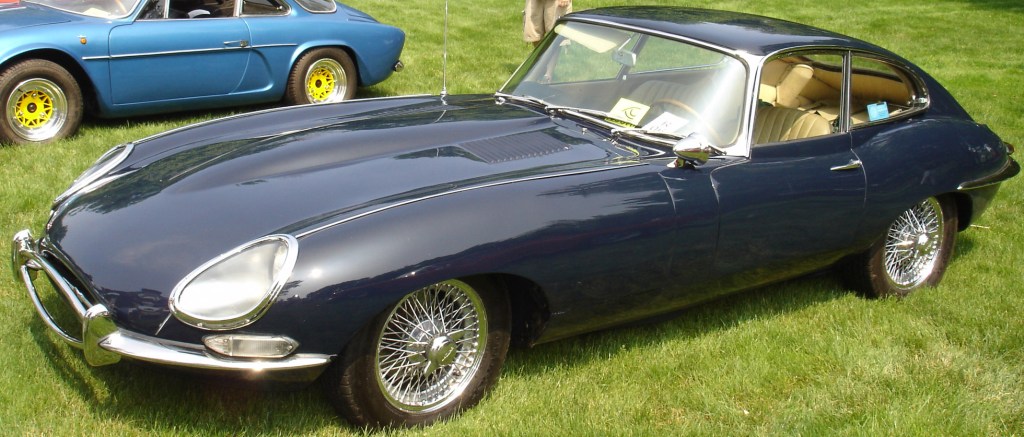
The Jaguar E-Type was offered with several different engine options throughout its production run. One of the most iconic and notable engines used in the E-Type was the inline-six engine from Jaguar’s XK series. Here are some key details about the engines commonly found in the Jaguar E-Type:
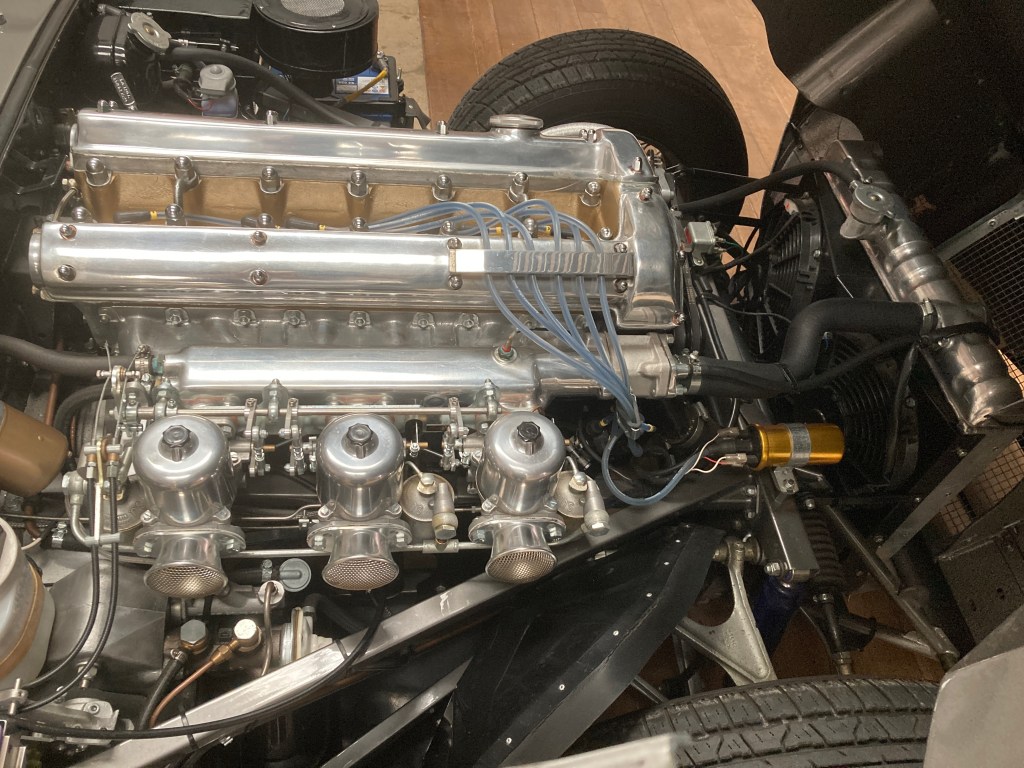
- 3.8-Liter Inline-Six Engine (XK6 Engine):
- Displacement: 3.8 liters
- Configuration: Inline-six
- Power Output: The initial 3.8-liter engine produced around 265 horsepower and 260 lb-ft of torque.
- Performance: This engine allowed the E-Type to accelerate from 0 to 60 mph (0 to 97 km/h) in about 7 seconds and achieve a top speed of around 150 mph (241 km/h).
- Transmission: It was paired with a 4-speed manual transmission or an optional 3-speed automatic transmission.
- 4.2-Liter Inline-Six Engine (XK6 Engine):
- Displacement: 4.2 liters
- Configuration: Inline-six
- Power Output: The 4.2-liter version produced around 265 to 265 horsepower and 283 lb-ft of torque.
- Performance: The 4.2-liter engine maintained similar performance characteristics to the 3.8-liter version, with slight improvements in torque delivery.
- Transmission: Like the 3.8-liter engine, it was available with both a 4-speed manual and a 3-speed automatic transmission.
- V12 Engine (Later Models):
- Displacement: 5.3 liters
- Configuration: V12
- Power Output: The V12 engine used in the later Series 3 E-Type models produced around 272 to 314 horsepower and 304 lb-ft of torque, depending on emissions regulations and tuning.
- Performance: The V12-powered E-Type offered strong torque and a smoother power delivery, contributing to a comfortable and refined driving experience.
- Transmission: The V12 engine was typically paired with a 4-speed manual transmission or an optional 3-speed automatic.
These engines were known for their distinctive sound and performance characteristics. The inline-six engines were celebrated for their responsiveness and the visceral driving experience they provided. The V12 engine, introduced in the Series 3 models, added a new level of refinement to the E-Type while still maintaining impressive performance capabilities.
The Jaguar E-Type’s engines, especially the inline-six units, have contributed to the car’s enduring reputation as a classic sports car that offered a perfect balance of power, style, and driving pleasure.
Regenerate
Thank for reading ,,
 extravagance cars